Brand NewLevel.
Four products.
One shape.
They do not look related on paper. They are the same move, made four times: learn the format the machine wants, then hide it behind something a person can use.
What comes out
the other end.
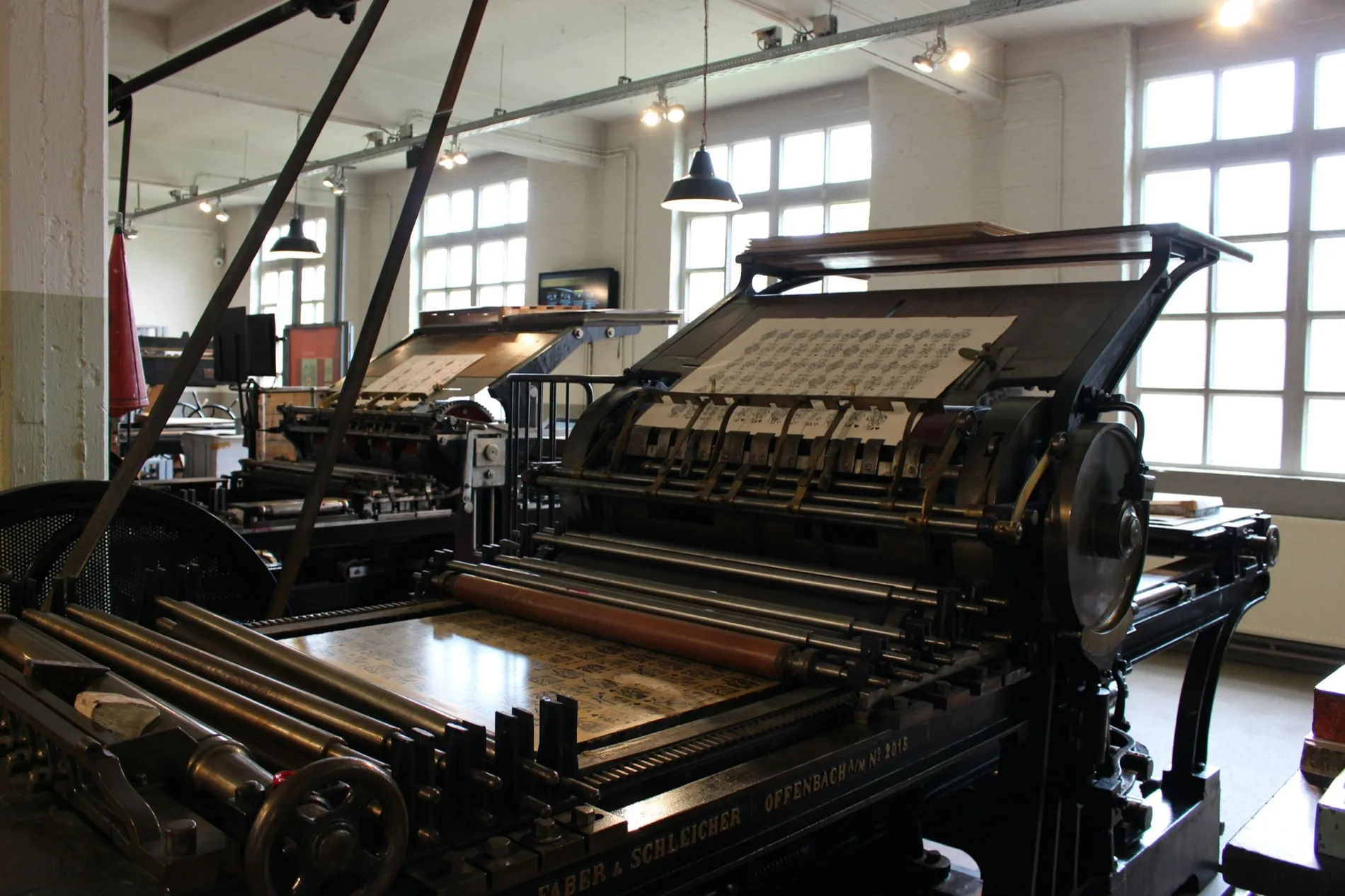
Most software ends at a screen. Ours ends on a printing press, a beam saw, a live domain taking payments, or a factory floor.
A design editor that
finishes the job in CMYK.
The unusual part is not the canvas. It is what happens when you press export. Colour, separations, overprint and the PDF/X-4 packaging are handled by our own print engine, so the file that reaches the printer is the file the printer wanted.
- In
- A design, drawn in a browser tab
- Speaks
- PDF/X-4 · ICC colour · Separation · Overprint
- Out
- Ink on paper, cut to shape
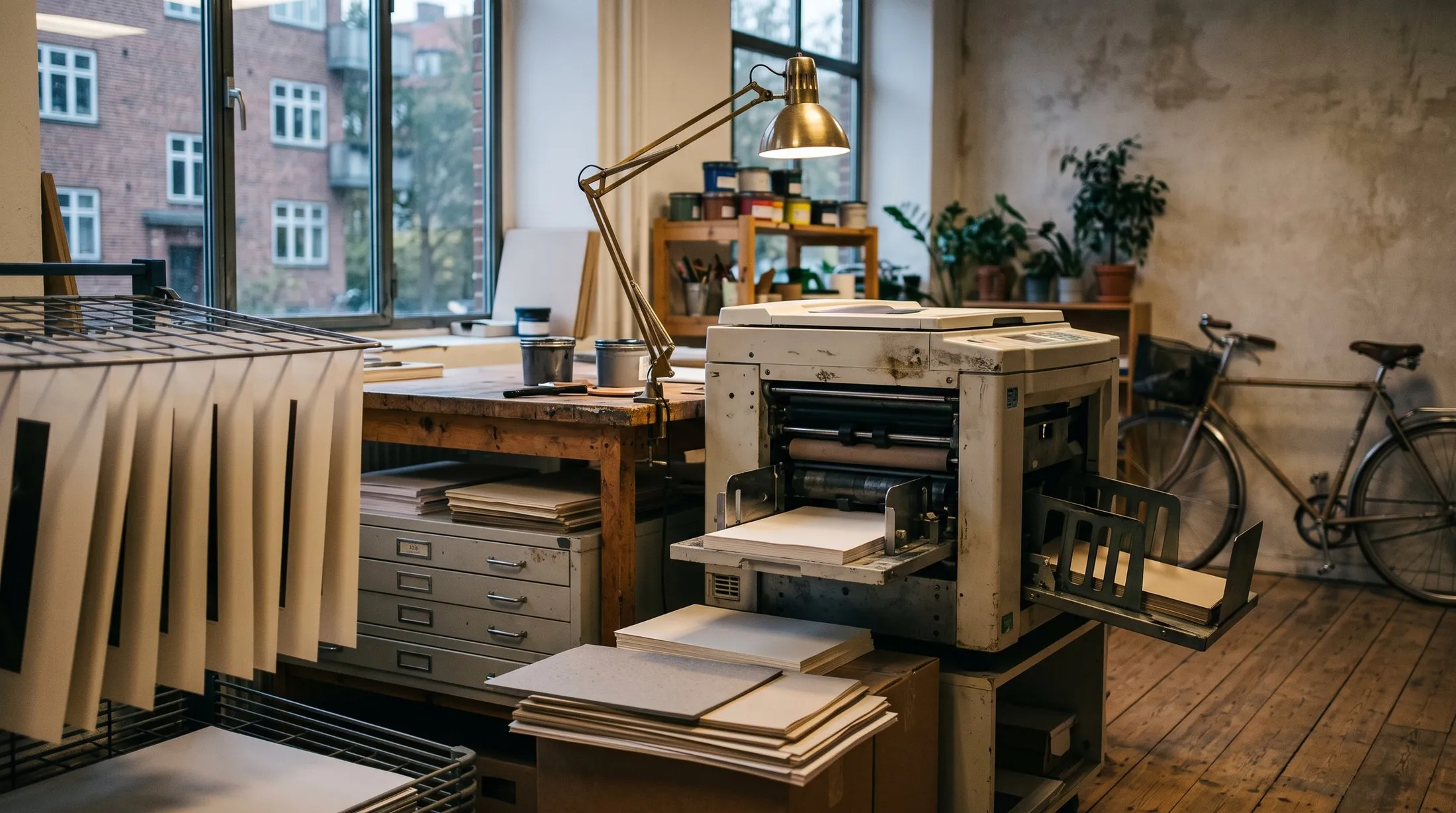
What the export dialog actually produces. Every plate named, every ink accounted for, the die line on its own layer. The job does not come back to be fixed.
A website platform
an assistant can run.
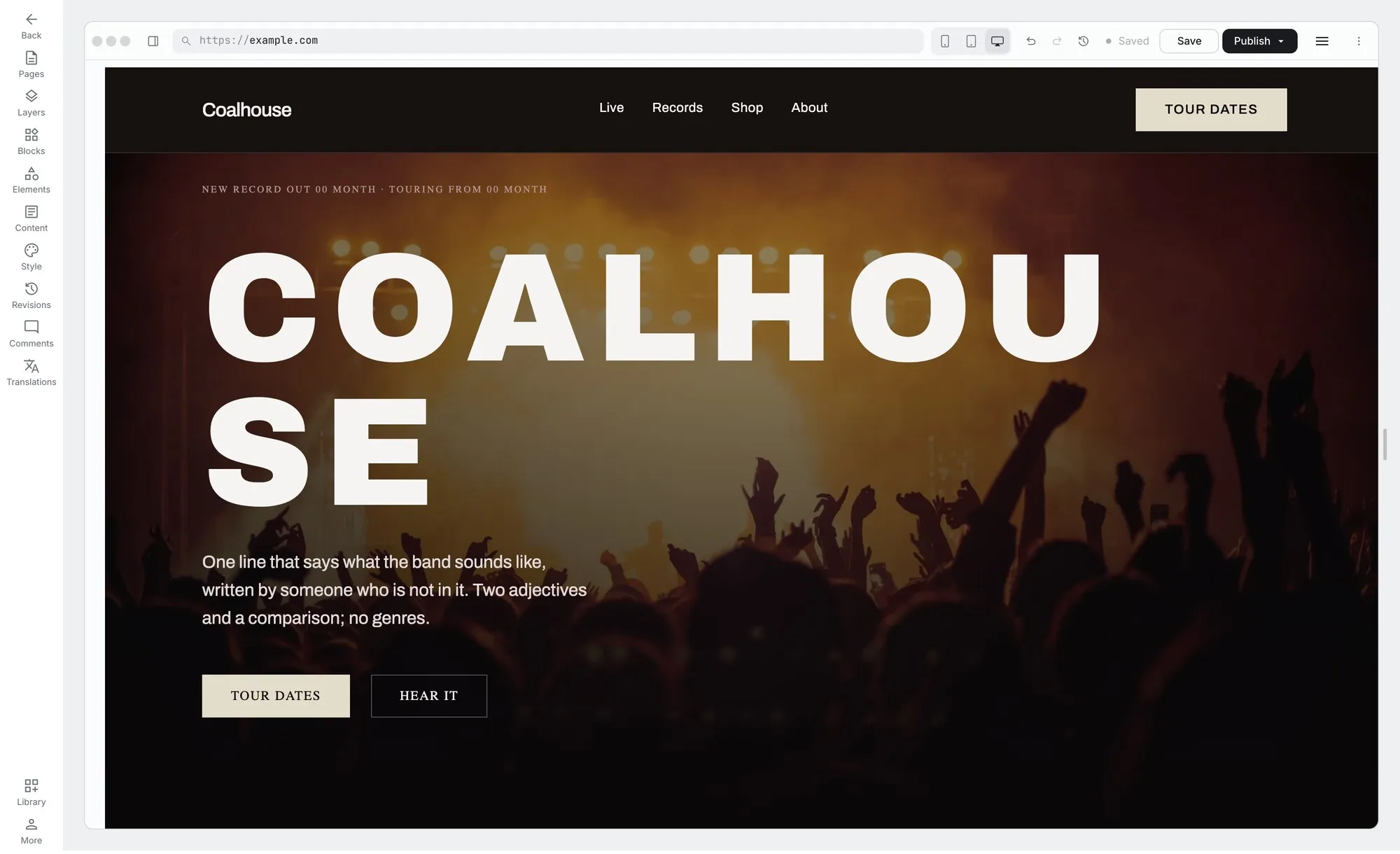
Forms, bookings, tickets, a shop and visitor numbers are part of the product instead of four subscriptions bolted on. An assistant can build and look after the site directly, which is how the page you are reading was made.
- In
- An edit, by a person or by an assistant
- Speaks
- Bookings · tickets · payments · assistants
- Out
- A live site that takes the booking and the money
Further from
the screen.
One is in trials with real customers. One is pre-launch and says so. We would rather be exact about status than optimistic about it.
Cutting lists that speak
workshop Dutch.
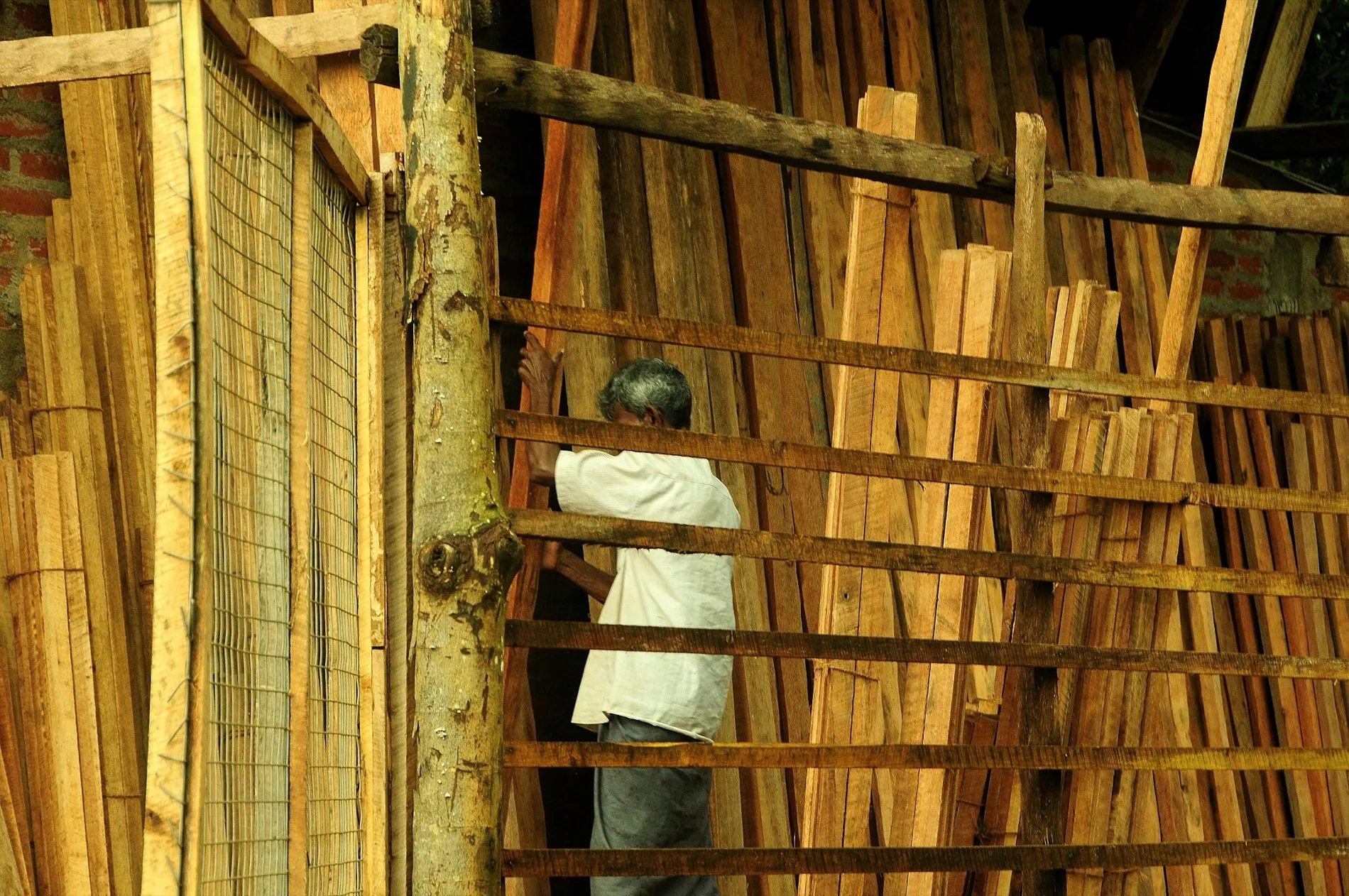
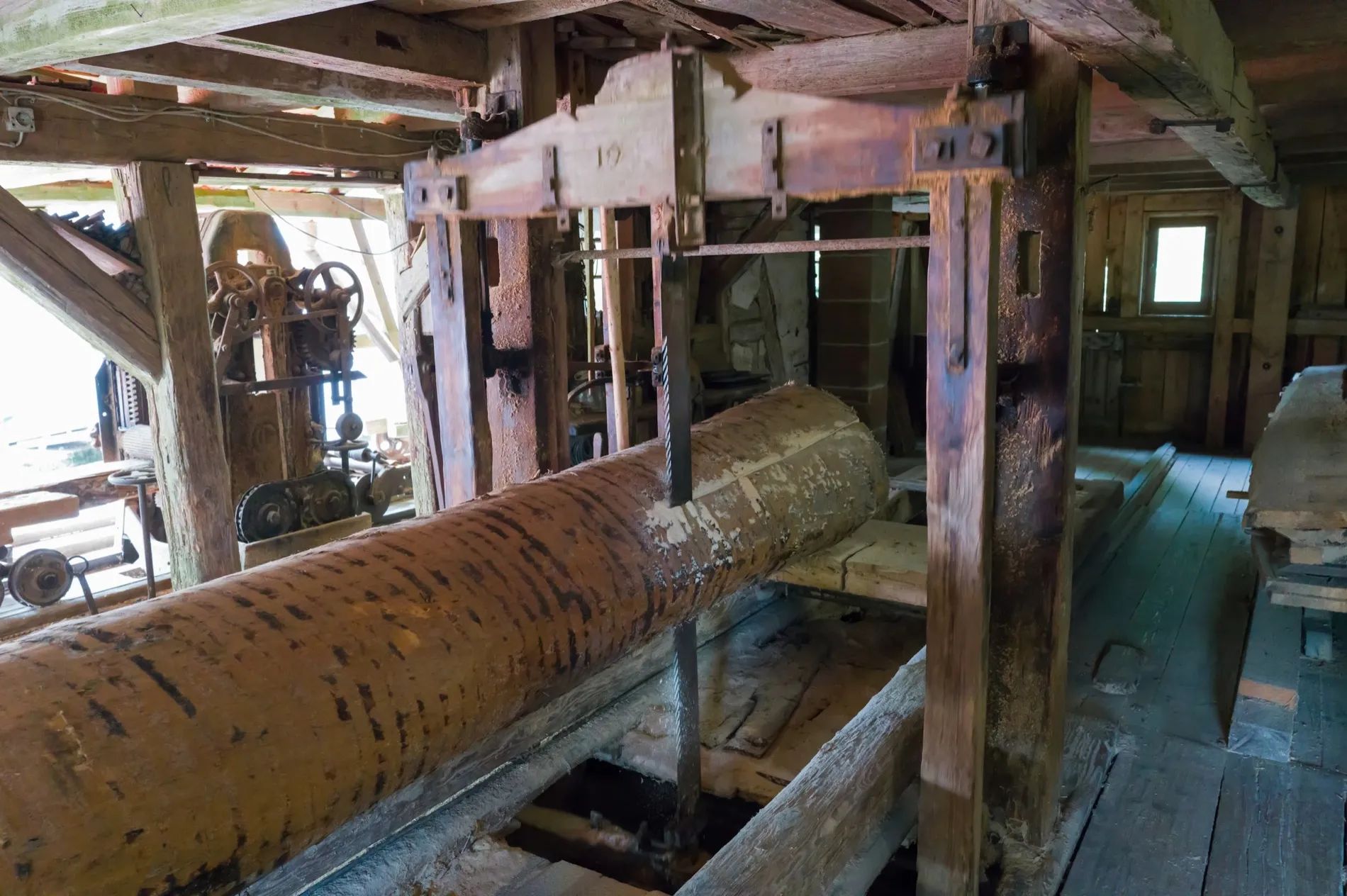
A configurator that stays in onderdelen, kopmaat and lengte on the way in, and writes the machine file quietly at the end. The angles the carpenter drags on screen are the angles the saw cuts.
- Speaks
- BTLx 2.0.0 · Hundegger BVX · BVN
- Out
- A beam, cut to the drawn geometry
A remote workforce
for physical work.
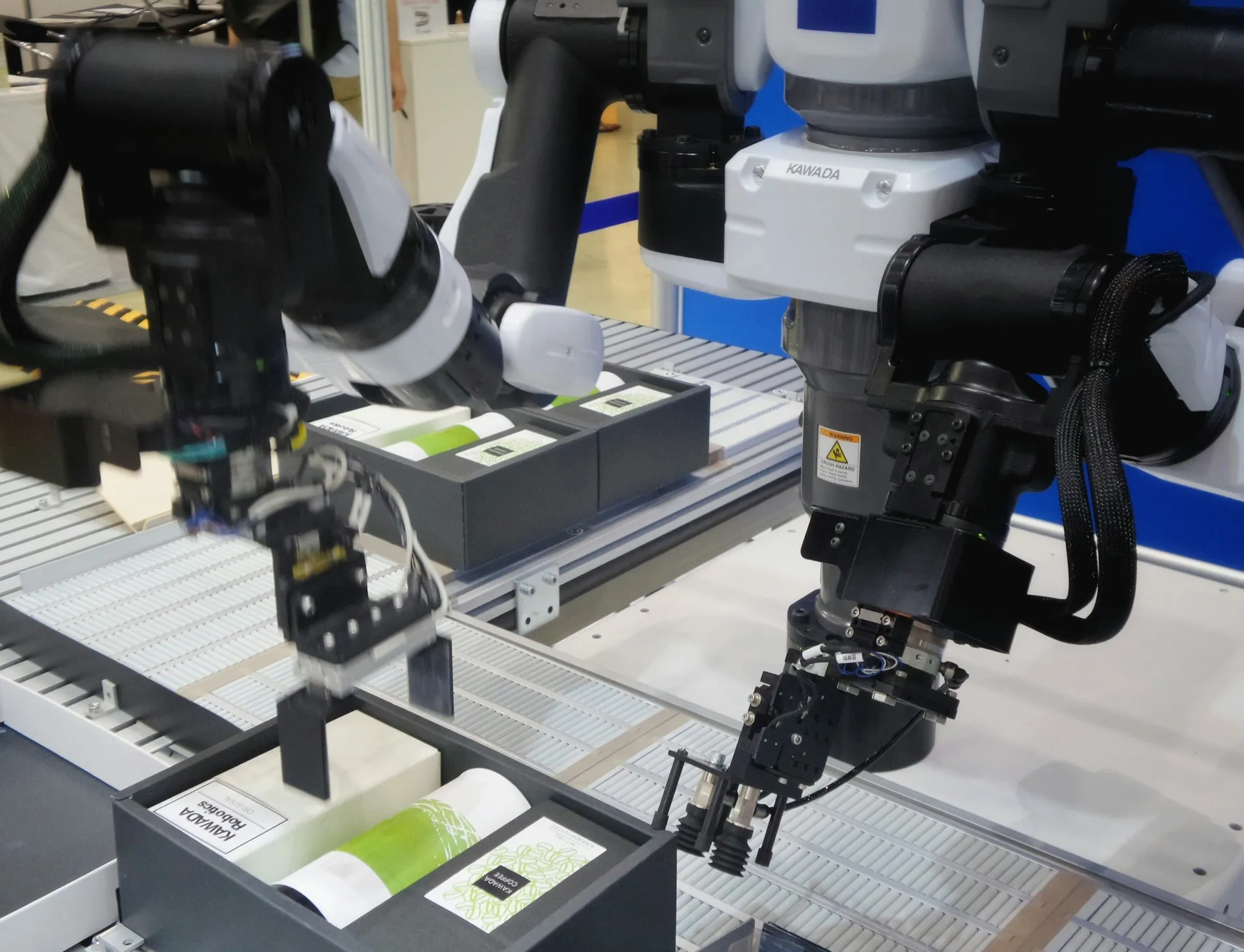
Rather than wait for full autonomy, hAire puts a person in the loop at a real address, and lets the platform learn from the variation of an actual work floor instead of a lab.
- Speaks
- Teleoperation · on-the-job learning
- Out
- The work done, in Amsterdam, Rotterdam or New York
Four rules, and
none of them are
about software.
- Take the boring hard part
- The colour engine, the machine format, the schema check. That is the part nobody wants and the only part that is hard to copy.
- Ship where people already are
- A browser tab, a phone, a workshop bench. Nothing that needs a workstation under a desk to be worth using.
- Be exact about status
- Live, in trials, pre-launch. We write which one, on every page, and we do not move the words to make a quarter look better.
- Calibrate against reality
- BVX has no public specification. We calibrated it against 12 real production files, 879 parts and roughly 9,100 operations, and we check every release against that corpus.
From the workshop.
What we shipped, what we got wrong, and the formats we had to work out from the outside. Written by the people who did the work.
The reveal that hid itself, permanently

This site was built by asking, and nothing used a back door
BVX has no specification, so we built one from twelve files
Brand Level is a company,
not a product.
It is our Dutch agency in Amsterdam, doing client work with the same tools. If you want a supplier rather than a product, that is the right door. We keep it off the product list on purpose, so the two never blur.
Got something that has
to end somewhere real?
Tell us what the output has to be. A printed sheet, a cut beam, a served page, a finished task. Then we will tell you whether we can build the thing in front of it.
- Where
- Pampuslaan 59, 1382 JM Weesp, Netherlands
- Call
- +31 85 400 0005
- Write
- [email protected]
- Hire the agency
- brandlevel.nl, in Dutch or English